Home Care Service vs Assisted Living: Understanding Levels of Care
Business Name: FootPrints Home Care
Address: 4811 Hardware Dr NE d1, Albuquerque, NM 87109
Phone: (505) 828-3918
FootPrints Home Care
FootPrints Home Care offers in-home senior care including assistance with activities of daily living, meal preparation and light housekeeping, companion care and more. We offer a no-charge in-home assessment to design care for the client to age in place. FootPrints offers senior home care in the greater Albuquerque region as well as the Santa Fe/Los Alamos area.
4811 Hardware Dr NE d1, Albuquerque, NM 87109
Business Hours
Families rarely get up one early morning and choose, today is the day we alter how Mom lives. The course to support typically unfolds through a series of small minutes: a missed expense, a fall on the front actions, a persistent cough that remains, a fridge with expired yogurt and absolutely nothing fresh. The dilemma is universal yet deeply personal. Should we bring in aid in your home, or is an assisted living neighborhood the more secure, steadier option? The ideal answer depends on the person, the home, the care requirements, and the family's bandwidth.
I have invested years assisting households map out what works and what does not, sitting at kitchen tables with children who manage professions and caregiving, and kids who live two states away and fret through the night. Here is how I stroll people through the fork in the roadway in between home care service and assisted living, with the compromises set out clearly and the practical information filled in.
What "care" in fact means
Care is not a single service, it is a stack of assistances. On one of the most standard level, it covers aid with activities of daily living, the things all of us must do to survive a typical day: bathing, dressing, toileting, grooming, eating, and moving safely. Lots of older adults likewise require help with instrumental jobs, the less noticeable glue that keeps a family running, such as groceries, cooking, cleaning, medication tips, transport, paying costs, and scheduling appointments.
When people say senior care, they are often visualizing various pieces of that stack. One household may just need a senior caregiver to come by 3 afternoons a week so their dad showers safely and someone verifies his tablets. Another may require full overnight protection since their mom wanders at 2 a.m. and opens the back door. The best match has less to do with buzzwords like in-home care or assisted living, and more to do with which layers of the stack are needed, how typically, and how reliably.
Home care service: flexible help where life currently happens
Home care, often called at home senior care or elderly home care, brings the caregiver to the individual rather of the person to the care. It can be as light as two hours twice a week or as extensive as 24-hour shifts with 2 or 3 senior caregivers rotating. Home care works best when somebody values staying put, when the home is reasonably safe, and when the person can still structure their day with some independence.
The greatest advantage is connection. People oversleep their own bed, keep their routines, and preserve ties to next-door neighbors and familiar places. I have seen customers rally simply because they could keep their garden or early morning paper routine. For somebody with amnesia, that steady environment often lowers confusion. For somebody with chronic disease, avoiding a disruptive move can assist stabilize medications and nutrition.
Home care service is likewise scalable. If your dad's Parkinson's symptoms are mild this year, you can begin with eight hours of assistance for meals and exercises, then add hours if tremblings aggravate or falls increase. Households appreciate the control: they choose the schedule, pick a caretaker who fits, and adjust rapidly as needs change.
Yet there are limitations. A house is not a center. Even with exceptional senior home care, the home must be safe enough. Stairs without railings, narrow bathrooms, loose carpets, dim corridors, and high driveways can turn little errors into huge injuries. Restorations assist, however not every home can be adjusted without major expense. Another constraint is staffing dependability. Good companies work hard to avoid call-outs, but life occurs. If a caretaker is sick, a firm might send out a replacement, and that disruption can be difficult for somebody with dementia. Privately hiring can give you more control over who comes, however then you end up being the company, handling payroll, taxes, background checks, and protection if somebody quits.
Financially, in-home care is generally billed by the hour. Rates differ extensively by region, however a typical variety sits in between 28 and 45 dollars an hour for nonmedical care. That suggests four hours per day, 5 days a week could amount to 2,200 to 3,600 dollars monthly. Transfer to 12-hour days, and the monthly cost can exceed lots of assisted living rates. On the other hand, somebody who just needs 10 to 20 hours a week can keep costs comparatively modest while maintaining independence.
Assisted living: a neighborhood constructed around support
Assisted living communities are created for people who do not require a nursing home, however do require day-to-day aid. Think of a personal house plus a structure of services: meals, housekeeping, transport, call buttons, and personnel offered around the clock for hands-on support. The very best neighborhoods strike a balance, supporting locals without removing away autonomy.
For somebody who is separated in the house, this model can be a life-changer. 3 meals appear without effort. A nurse supervises medication management. There are classes, outings, vacation parties, and good friends to sit with at lunch. I remember a customer who hardly ever left her sofa when she lived alone. In assisted living she used up chair yoga and began playing cards after supper. Her daughter called it a second chapter.
Assisted living is consistent. You are not developing a day-to-day schedule from scratch like you make with home care. You are plugging into a system that runs whether personnel call out or not. If the resident declines somewhat, you often include a care level or service plan instead of rushing to find more hours.
Costs are usually bundled, with a base rate for rent and services, then a tiered care cost based on an assessment. Regular monthly totals often fall in between 4,000 and 8,000 dollars depending upon area, apartment or condo size, and the amount of care. Higher assistance for movement, cueing, or incontinence can press expenses up. Memory care wings, which provide secured environments for citizens with dementia who roam or need more structured days, normally cost more than standard assisted living.
Assisted living has compromises, too. You may have less control over who provides care, and staff stop by according to their task sheet, not necessarily at the precise minute the resident desires. Some individuals resist common living, specifically if they are private or nervous in brand-new settings. Family pets are sometimes permitted, sometimes not. If you tour, ask to being in the dining-room during a meal. Watch how staff interact in hallways. Culture matters more than the chandelier in the lobby.
How to match needs to setting
Start with an honest inventory, not simply of the person's diagnosis, but how every day really goes. Families typically tell me, "She's great the majority of the time," up until we map the details: she requires aid beginning the shower, she stands too fast, she burns the kettle, she forgets midday tablets, she does not hear the door, she oversleeps the recliner chair since the bed feels expensive. Those little truths stack up.
Think throughout four measurements. First, security: Is the person falling, roaming, leaving the stove on, missing out on medications, or driving unsafely? Second, function: What hands-on help is required with bathing, dressing, toileting, transfers, and meals? Third, guidance: Does someone need to be neighboring most of the day, or just during specific jobs? 4th, social and psychological well-being: Is isolation taking a toll, or is privacy more important?
A customer of mine, Mr. B, loved his workshop and insisted on remaining in the home he developed. He required assistance bathing and someone to handle medications. We set up morning check outs on weekdays, 2 hours each, and a longer Saturday block for errands and home maintenance. That strategy worked for two years. When his balance aggravated and his daughter moved out of town, we tried including evening coverage. Costs climbed up, but he stayed in your home until nights felt risky. Then we reevaluated.
Contrast that with Mrs. L, who lived alone after her partner passed away. She had not cooked a real meal in months, and her memory lapses doubled. She tried in-home take care of friendship three afternoons a week, but still spent long mornings alone. Her daughter noticed she perked up at church coffee hour, so we visited 2 assisted living neighborhoods. When she moved, the routine and business did more than safety alone could achieve. Her appetite returned and her state of mind raised, and the household stopped fretting about 9 p.m. phone calls.

The role of medical complexity
Neither home care nor assisted living is a medical facility. Both can deal with a range of requirements, but they differ in medical depth. Basic home care agencies supply nonmedical support, though some offer certified nursing gos to for injury care or injections. If somebody requires frequent knowledgeable care, you might layer in home health services ordered by a physician, which are time-limited and task-specific. Assisted living communities normally have nurses on staff or on call, however they are not geared up for ventilators, complex IV treatments, or severe medical crises.
If an individual has advanced needs, such as extreme cardiac arrest with oxygen fluctuations, late-stage dementia with behaviors, or feeding tubes, a nursing home or specialized memory care might be the much safer match. On the other hand, many individuals with multiple persistent conditions love either setting, provided medications are handled properly and routines are steady. The secret is to check whether the current level of assistance prevents preventable emergency situations. If you are calling 911 every few weeks, the plan is not holding.
What about dementia specifically
Memory loss alters the calculus. Individuals with mild cognitive disability or early Alzheimer's can do well with senior home care that concentrates on structure: regular meals, cueing for bathing, medication tips, and help with consultations. Familiar environments may decrease stress and anxiety. A consistent senior caretaker who comprehends the individual's history and choices can be a stabilizing force.
As dementia advances, the requirement shifts from task help to continuous guidance. Roaming, sundowning, and sleep disturbances produce safety risks that are hard to handle with brief day-to-day check outs. Some households piece together longer in-home care shifts, which can work if the home is protected and the budget plan enables steady coverage. Others discover that a memory care neighborhood provides the 24-hour oversight and purposeful activities they can not sustain in the house. I tell families to expect 2 red flags: injuries or near-misses that repeat, and caregiver burnout that does not alleviate even when more assistance is added.
The dollars and cents, and how to pay
Finances are not the only factor, however they are never ever a side note. For in-home care, a light schedule might cost less than assisted living monthly. For heavy schedules, home care can jump past the cost of a community. Assisted living costs are more predictable month to month, though they tend to increase yearly and with greater care levels.
Medicare does not pay for nonmedical home care or room and board in assisted living. It covers short-term home health and rehab under specific conditions. Medicaid guidelines differ by state. Some states offer Medicaid waivers that money in-home care or assisted living for qualified people, typically with waitlists. Long-term care insurance coverage, if acquired earlier in life, can balance out both home care and assisted living costs, however policies differ in benefit triggers and everyday caps. Veterans may get approved for Help and Attendance, a benefit that can aid with individual care, whether in the house or in a neighborhood. Families often use a mix of retirement income, savings, home equity, and family contributions. A frank discussion about budget at the start saves headaches later.
When staying at home works best
Home is ideal when the environment can be made safe, the individual worths self-reliance, and support needs are foreseeable. If early mornings are senior home care the hardest time and a senior caretaker can cover those hours reliably, at home senior care keeps life familiar. I frequently suggest a home security evaluation to catch threats you stop discovering, like that throw carpet that curls at the edges or a too-low toilet. Basic modifications, such as grab bars, much better lighting, and a shower chair, significantly cut fall risk.
Home care also shines when relative anchor the strategy. If a kid lives upstairs and checks in during the night, including daytime home care can fill the spaces without overextending anyone. The outcome can be both more cost effective and more individual. Just make sure the strategy has redundancy. One caregiver and one relative is a fragile design. Integrate in a backup for health problem, travel, or burnout.
When assisted living tips the scale
An assisted living community might be the better choice when the day needs numerous touchpoints across morning, lunch, afternoon, and evening, and particularly when nights are unsettled. It also fits when social isolation damages health. Solitude correlates with greater hospitalization risk and anxiety. Some residents consume much better simply since good friends expect them at the table. Medication management that happens every day, at the correct time, without anyone driving across town, can avoid a waterfall of problems.
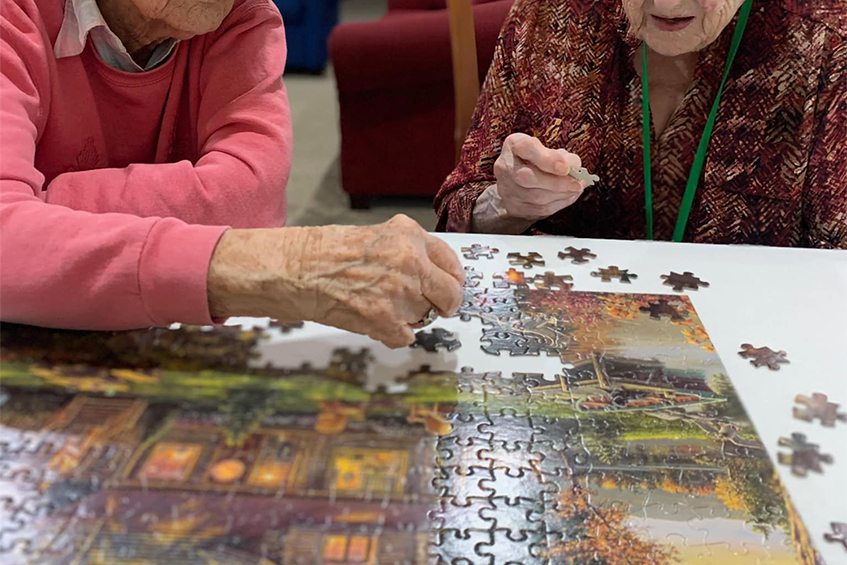
Families often withstand assisted living since it feels like surrender. In practice, a good neighborhood returns time and reduces the consistent sense of crisis. Adult kids shift from putting out fires to being family again. I have actually seen tense relationships soften when the moms and dad is no longer relying entirely on the child for personal care. Dignity returns when somebody other than your child helps with a shower or incontinence.
Quality markers to try to find, not simply cost and paint
Marketing sales brochures look comparable. The differences emerge in the little interactions. If you are thinking about in-home care, ask how the firm matches caretakers, how they handle last-minute call-outs, whether they monitor staff in the home, and how they communicate changes. Ask for the very same caregiver for consistency, and satisfy them before the first shift. For privately employed caregivers, insist on references, background checks, and a clear agreement on responsibilities, hours, pay, and ill coverage.
For assisted living, visit unannounced at least as soon as. Sit in the lobby and enjoy what takes place when a call light rings. Ask to see a care strategy, not just a sample calendar. Talk with resident families in the parking area. In the home, check water pressure, closet space, and whether a walker fits in between the bed and the wall. Ask about personnel training, night staffing, response times, and how the neighborhood deals with citizens whose requirements increase. If the tour prevents direct answers, take note.
A basic pivot test for families on the fence
Before making a move, try a time-limited trial. For home care, set up a 30-day plan with clear goals: two showers per week without falls, 3 balanced lunches, consistent medications, one social getaway weekly. Track results. If the plan holds and the person appears brighter, continue. If you are still concerned every night at 10 p.m., the assistance is not enough.
For assisted living, set up a respite stay for two to four weeks if the community offers it. Pay attention to how the person sleeps, consumes, and engages. Some residents flower throughout respite, that makes the longer move easier. Others feel stressed. That details is important even if you decide to return home with a brand-new plan.
Realistic expectations and the grace to adjust
No strategy remains ideal. Illness advances, life events step in, finances change. The healthiest families treat care as a continuous project, not a one-and-done decision. Reassess quarterly. If falls boost, add more hours or re-evaluate the setting. If a caregiver and customer clash, demand a various fit. If an assisted living neighborhood is slipping on quality, do not hesitate to intensify concerns or check out alternatives.
It likewise helps to call the psychological weight. Adult children frequently feel regret whichever course they choose. Parents may fear loss of control more than any physical decrease. Acknowledge those sensations aloud. In my experience, clear info and stable interaction decrease be sorry for more than any single choice does.
Putting it together: a useful comparison
Here is a succinct way to consider the two options.
- Home care service matches individuals who want to stay at home, have a safe environment, and need aid that fits into defined blocks. It scales up or down quickly, protects routines, and can be affordable for part-time support.
- Assisted living suits individuals who need daily, predictable assistance and take advantage of built-in social structure and 24-hour personnel existence. Costs are more fixed month to month, and care can increase by means of levels without restoring the plan from scratch.
If you can express your requirements in hours, jobs, and specific times, in-home care may be the better starter. If you discover yourself describing the need as "someone close-by the majority of the time," assisted living may provide safer protection and better quality of life.
Resources and next steps
Start with an extensive medical review to catch reversible reasons for decline, like medication side effects or dehydration. Ask a physiotherapist for a home security evaluation. Gather legal and monetary files so whoever is coordinating care has the authority to act. Then visit at least 2 reputable home care agencies and 2 assisted living neighborhoods, even if you are leaning one way. Choices offer peace of mind.
When you talk with agencies, bring a typical week's schedule and a frank list of difficulties. When you tour neighborhoods, request staffing ratios during nights, not just days, and sample a meal. Procedure the restroom entrance to guarantee movement gadgets fit. Inquire about transportation to medical visits and how they coordinate with outside providers.

Families who approach senior care as a series of pragmatic steps typically discover a convenient path. Whether you choose senior home care or a well-run neighborhood, the goal is the same: security, dignity, and a life that still feels like one's own. The best plan appreciates the person's worths, supports the household's capacity, and changes as needs evolve. If you hold to those 3 anchors, the decision gets clearer, and the days get lighter.
FootPrints Home Care is a Home Care Agency
FootPrints Home Care provides In-Home Care Services
FootPrints Home Care serves Seniors and Adults Requiring Assistance
FootPrints Home Care offers Companionship Care
FootPrints Home Care offers Personal Care Support
FootPrints Home Care provides In-Home Alzheimer’s and Dementia Care
FootPrints Home Care focuses on Maintaining Client Independence at Home
FootPrints Home Care employs Professional Caregivers
FootPrints Home Care operates in Albuquerque, NM
FootPrints Home Care prioritizes Customized Care Plans for Each Client
FootPrints Home Care provides 24-Hour In-Home Support
FootPrints Home Care assists with Activities of Daily Living (ADLs)
FootPrints Home Care supports Medication Reminders and Monitoring
FootPrints Home Care delivers Respite Care for Family Caregivers
FootPrints Home Care ensures Safety and Comfort Within the Home
FootPrints Home Care coordinates with Family Members and Healthcare Providers
FootPrints Home Care offers Housekeeping and Homemaker Services
FootPrints Home Care specializes in Non-Medical Care for Aging Adults
FootPrints Home Care maintains Flexible Scheduling and Care Plan Options
FootPrints Home Care is guided by Faith-Based Principles of Compassion and Service
FootPrints Home Care has a phone number of (505) 828-3918
FootPrints Home Care has an address of 4811 Hardware Dr NE d1, Albuquerque, NM 87109
FootPrints Home Care has a website https://footprintshomecare.com/
FootPrints Home Care has Google Maps listing https://maps.app.goo.gl/QobiEduAt9WFiA4e6
FootPrints Home Care has Facebook page https://www.facebook.com/FootPrintsHomeCare/
FootPrints Home Care has Instagram https://www.instagram.com/footprintshomecare/
FootPrints Home Care has LinkedIn https://www.linkedin.com/company/footprints-home-care
FootPrints Home Care won Top Work Places 2023-2024
FootPrints Home Care earned Best of Home Care 2025
FootPrints Home Care won Best Places to Work 2019
People Also Ask about FootPrints Home Care
What services does FootPrints Home Care provide?
FootPrints Home Care offers non-medical, in-home support for seniors and adults who wish to remain independent at home. Services include companionship, personal care, mobility assistance, housekeeping, meal preparation, respite care, dementia care, and help with activities of daily living (ADLs). Care plans are personalized to match each client’s needs, preferences, and daily routines.
How does FootPrints Home Care create personalized care plans?
Each care plan begins with a free in-home assessment, where FootPrints Home Care evaluates the client’s physical needs, home environment, routines, and family goals. From there, a customized plan is created covering daily tasks, safety considerations, caregiver scheduling, and long-term wellness needs. Plans are reviewed regularly and adjusted as care needs change.
Are your caregivers trained and background-checked?
Yes. All FootPrints Home Care caregivers undergo extensive background checks, reference verification, and professional screening before being hired. Caregivers are trained in senior support, dementia care techniques, communication, safety practices, and hands-on care. Ongoing training ensures that clients receive safe, compassionate, and professional support.
Can FootPrints Home Care provide care for clients with Alzheimer’s or dementia?
Absolutely. FootPrints Home Care offers specialized Alzheimer’s and dementia care designed to support cognitive changes, reduce anxiety, maintain routines, and create a safe home environment. Caregivers are trained in memory-care best practices, redirection techniques, communication strategies, and behavior support.
What areas does FootPrints Home Care serve?
FootPrints Home Care proudly serves Albuquerque New Mexico and surrounding communities, offering dependable, local in-home care to seniors and adults in need of extra daily support. If you’re unsure whether your home is within the service area, FootPrints Home Care can confirm coverage and help arrange the right care solution.
Where is FootPrints Home Care located?
FootPrints Home Care is conveniently located at 4811 Hardware Dr NE d1, Albuquerque, NM 87109. You can easily find directions on Google Maps or call at (505) 828-3918 24-hoursa day, Monday through Sunday
How can I contact FootPrints Home Care?
You can contact FootPrints Home Care by phone at: (505) 828-3918, visit their website at https://footprintshomecare.com, or connect on social media via Facebook, Instagram & LinkedIn
A ride on the Sandia Peak Tramway or a scenic drive into the Sandia Mountains can be a refreshing, accessible outdoor adventure for seniors receiving care at home.