How Home Care Helps Senior Citizens Preserve Independence Without Compromising Safety
Business Name: FootPrints Home Care
Address: 4811 Hardware Dr NE d1, Albuquerque, NM 87109
Phone: (505) 828-3918
FootPrints Home Care
FootPrints Home Care offers in-home senior care including assistance with activities of daily living, meal preparation and light housekeeping, companion care and more. We offer a no-charge in-home assessment to design care for the client to age in place. FootPrints offers senior home care in the greater Albuquerque region as well as the Santa Fe/Los Alamos area.
4811 Hardware Dr NE d1, Albuquerque, NM 87109
Business Hours
Families hardly ever call me about home care when everything is going efficiently. The call generally follows a scare: a fall, a medication mix‑up, a cars and truck accident, or a neighbor finding Mom roaming outside in the evening. The question underneath all the details is usually the exact same:
"How do we keep Dad safe without taking away the life he still delights in?"
That tension between independence and safety sits at the heart of elder care. The majority of older adults increasingly value their regimens, their homes, and their autonomy. Their adult children, frequently living in another city and juggling careers and kids, lie awake worrying about what may happen when no one exists.
Home care, when it is thoughtfully prepared and effectively supervised, provides a method to honor both sides of that equation. It supports real independence, not simply the impression of in home care it, while putting practical protections around the risks that feature aging.
This is not theory. It is the day‑to‑day truth in living rooms, kitchen areas, and driveways throughout the country, from busy cities to Albuquerque communities with cracked sidewalks and summertime heat that can turn a brief walk into a health danger.
Let us walk through how in‑home senior care really works when it is done well, where its limits are, and how households can utilize it to preserve a parent's self-respect and choice without closing their eyes to safety concerns.
What elders mean by "independence" (and why that matters)
Professionals talk about "independent activities of daily living" and "functional status," but that is not how older grownups think. When I ask older customers what independence indicates to them, the answers specify.
"I want to make my own breakfast."
"I want to remain in this home until I pass away.""I wish to look after my canine." "I don't desire my kids managing my cash."
Those might sound simple, yet below them sit effective themes:
- Control with time and routine
- Control over personal area and possessions
- Control over decisions, especially medical and monetary
If a home care strategy ignores those styles and focuses only on safety, it will quickly reproduce animosity. I have actually seen perfectly well‑designed care schedules fail due to the fact that a caregiver kept "helping" with tasks the elder still wanted to do alone. The family felt relieved. The elder felt removed of proficiency.
Effective senior home care begins with a blunt conversation:
What does "still living my own life" indicate to this particular individual, in this particular home, with their particular health conditions?
The responses direct everything else.
The peaceful dangers behind the front door
Most harmful occasions that press households toward assisted living or nursing homes do not come out of nowhere. They build gradually in common spaces.
I frequently walk through a home and psychologically layer risk over the floor plan:
The restroom that has no grab bars, where a slick tile and a loose rug can mean a hip fracture.
The cooking area where an older grownup has to get on a chair to reach dishes. The chaotic corridor that makes nighttime trips to the toilet a minefield. The pill organizer filled by somebody with moderate amnesia.In hotter environments, including Albuquerque and the surrounding area, basic trips can likewise turn dangerous. A brief walk for mail in 95‑degree heat, carried out by somebody with cardiac issues who forgot to consume water, ends up being more than routine workout.
These dangers are why families sometimes default to the idea that a center is automatically more secure. Yet safety does not only depend upon the structure. It depends on guidance, regimens, and how without delay problems are noticed and resolved. Well‑organized in‑home care can match or surpass that level of oversight, while leaving the elder in a familiar environment.
How home care supports real independence
Home care is not one thing. It is a toolkit that can be adjusted with time. When families understand the individual tools, they can develop support that trims danger without flattening autonomy.
Support with daily tasks, not takeover
Professionals call these tasks Activities of Daily Living (ADLs): bathing, dressing, toileting, moving, eating. There are likewise Critical Activities of Daily Living (IADLs): cooking, laundry, shopping, paying costs, handling transport.
An experienced caregiver does not immediately step in and "do everything." Rather, they watch how the individual moves and ask:
Which pieces are unsafe?
Which pieces are tiring but still safe? Which pieces are necessary to this individual's identity?Take bathing as an example. One of my clients, a retired instructor in her late seventies, wanted to bathe herself however had poor balance. The caretaker set up the restroom so that the elder might clean separately while seated, with the caregiver nearby and within earshot. The elder managed cleaning and drying. The caregiver managed the logistics: non‑slip mat, right water temperature, towels in reach, safe step in and out.
The result: safety improved, but the elder still skilled herself as someone who "looks after my own hygiene."
Medication management that respects choice
Medication is one of the most typical triggers for transferring to assisted living. Missed dosages, double dosages, and avoided refills can send out somebody to the emergency clinic.
In home care can present layers of protection without dealing with the older adult like a child. A normal method may integrate numerous components:
- A weekly tablet organizer filled by a nurse or member of the family
- Reminders from the caregiver at scheduled times, with the elder still physically taking the pills
- An easy log, signed or checked off, so the household and doctors can see patterns
The secret is to keep the elder in the chauffeur's seat. I often suggest asking, "How do you desire us to help you keep in mind?" instead of, "We are going to take over your medications." That small shift keeps the sense of agency undamaged.

When memory loss advances into moderate dementia, the balance changes. At that point, the most safe and most considerate option might be for the caretaker to fully handle and turn over each dosage while still talking the elder through what they are taking and why.
Mobility and fall prevention: flexibility to move, not sit
Nothing robs independence much faster than a severe fall. Yet extremely careful family members in some cases swing to the other severe, dissuading any walking "simply in case."

Home care permits a more nuanced method. A knowledgeable caregiver can:
- Encourage routine, supervised movement around your home and backyard
- Assist with transfers in and out of bed, chairs, and the automobile
- Work with physical therapists to reinforce prescribed workouts
One gentleman I dealt with in Albuquerque liked his small yard garden. After a fall, his daughter wanted to lock the back entrance. Instead, we compromised. The caregiver walked him out to the garden every afternoon, stayed close while he examined the plants, and then strolled back with him. We included a steady outdoor chair and a handrail by the single step.
He kept a treasured daily ritual. His daughter slept much better at night.
Cognitive assistance: remaining sharp, not simply "kept safe"
Independence is not only about physical function. It is also about feeling psychologically engaged and appreciated.
Good in‑home senior care constructs small, everyday chances for thinking and option into the routine:
Asking the elder to help plan the day's meals, pick clothing that fit the weather condition, or choose which buddy to call first.
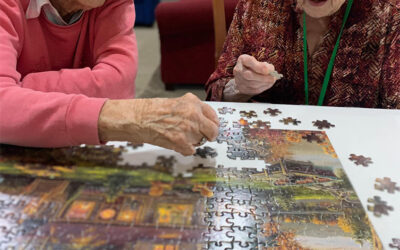
Welcoming them to discuss old images, tell stories, or share music from their past. Motivating them to deal with basic tasks they can still manage, like folding towels or composing a shopping list.These moments do more than pass time. They send out a subtle message: "You are still the specialist on your own life."
Emotional safety is part of physical safety
Safety is not only grab bars and high blood pressure logs. Psychological distress, solitude, and unattended depression can directly undermine physical health. People who feel ineffective or separated are much less most likely to take medications correctly, consume well, or speak out about brand-new symptoms.
The presence of a consistent caregiver can soften those dangers. I frequently see a noticeable modification in clients who, after weeks of very little interaction, unexpectedly have somebody in the home who discovers their preferences, listens to their stories, and notifications when they are "not rather themselves."
In one case, a caretaker picked up on subtle changes in a customer's speech and energy long before the family did. Her quiet note in the interaction log led to a doctor visit, which discovered a urinary system infection that could have advanced to delirium or hospitalization.
Relationships are not an "extra" in home care. They become part of the safety net.
Practical methods home care improves safety without feeling restrictive
When families request for particular examples of how home care can keep somebody safe while still honoring self-reliance, I normally point to a tight group of practices that make the biggest difference.
Here is a succinct view of them:
- Personalized home safety modifications: Simple changes such as eliminating loose rugs, enhancing lighting, marking action edges, and reorganizing frequently used items to waist height minimize fall threat without modifying how the home feels. Many firms will do an official home safety evaluation before beginning care.
- Monitored, not prohibited, activities: Instead of forbidding cooking, showering, or short walks, a caretaker can be present, assist with the riskiest parts, and step in rapidly if required. This turns previously hazardous regimens into safe, supported ones.
- Early detection of changes: Routine caretakers see small shifts in speech, appetite, balance, or mood. Those patterns typically reveal heart concerns, infections, or medication side effects before they intensify.
- Structured yet versatile regimens: Foreseeable everyday rhythm aids with sleep, blood sugar, and state of mind, but within that structure the elder can pick timing and order of activities. For someone with early dementia, this balance can postpone more extensive care requirements.
- Safer transportation and errands: Rather of driving themselves on busy Albuquerque streets, a senior may ride with a caregiver who helps with stairs, heat exposure, and bring bags, while the elder still chooses where to go and what to purchase.
None of these tools eliminates choice. They frame choice inside much safer boundaries.
When home care is not enough on its own
As much as I work in and supporter for senior home care, I am blunt with households about its limits. There are scenarios where even the best in‑home care might not provide adequate safety, or may end up being financially and logistically unsustainable.
A couple of recurring patterns raise warnings:
Severe wandering and nighttime confusion. If someone with dementia repeatedly leaves your home during the night, even with alarms and door locks, full 24‑hour guidance might be required. That level of in‑home care rapidly ends up being more pricey than many assisted living or memory care facilities.
Frequent medical crises. If a senior has actually repeated hospitalizations for heart failure, advanced COPD, or unsteady diabetes, their needs might move towards knowledgeable nursing or hospice care. Home care can support, but not replace, round‑the‑clock nursing oversight.
Unresolved aggression or hazardous behavior. A small minority of clients develop behaviors that place caregivers or relative at risk, such as physical hostility, uncontrolled fires from cooking, or declining all medications. Facilities with specialized training and protected environments may be the safer option.
Profound caregiver burnout. In some cases the barrier is not the elder's condition, however the family's exhaustion. If the primary household caretaker is collapsing under the pressure, and in‑home services are insufficient to eliminate that concern, a residential setting can safeguard both celebrations.
The best concern is not "home or facility permanently?" It is "provided the current condition, what is the least limiting, reasonable environment that offers acceptable safety?" That response can change over time.
Choosing a home care supplier that really supports independence
Not all home care firms are equivalent. The distinction in between a good and an average fit frequently shows up in small details that either support or quietly erode self-reliance.
When households in Albuquerque or any city ask how to pick carefully, I encourage them to look beyond marketing language and focus on behavior.
Key areas to explore in discussion:
Philosophy of care. Ask how they stabilize independence and safety when there is a dispute. Listen for how they handle danger. A thoughtful firm will talk about "dignity of threat" and shared decision‑making, not a one‑size‑fits‑all guideline.
Caregiver training and guidance. Ask about how caregivers are trained in fall prevention, dementia care, and interaction with resistant elders. Ask how typically supervisors visit the home and how issues are managed. Excellent agencies do not send out workers out and vanish.
Consistency of staffing. Frequent caretaker changes are disruptive, especially for those with memory problems. Ask what percentage of shifts are filled by the same main caregiver and what backup plans exist for disease or emergency situations.
Experience with your parent's specific requirements. For example, if your father has Parkinson's and lives in an older Albuquerque adobe home with narrow doorways, you want a team utilized to both movement conditions and older housing stock, not only clients in contemporary, accessible condos.
Communication practices. Clarify how and how typically you will receive updates. Families who live out of state typically need structured interaction: weekly emails, a shared online log, or scheduled phone calls, not simply "call us if something happens."
When brother or sisters disagree about safety and independence
Home look after parents can expose long‑standing household dynamics. One sibling might promote maximum self-reliance: "Mom is fine, she has actually lived alone for 40 years." Another may promote optimum safety: "If anything occurs, I can not manage the guilt."
An experienced elder care provider, or a neutral third party such as a geriatric care supervisor, can assist households move previous opinion and into realities. I typically stroll siblings through three questions:
What specific threats are we anxious about?
What specific capabilities does our parent want to preserve? What alternatives, including in‑home care, can lower the dangers without unnecessarily removing those capabilities?Home care can serve as a middle ground, a trial option. Instead of arguing abstractly about whether Dad is "safe in the house," a household can agree to introduce a caregiver for a restricted duration, then reassess based upon observed modifications and results. The discussion then shifts from fears to information: less falls, enhanced medication adherence, reduced emergency visits, or more stable mood.
Common myths about in‑home senior care
Misunderstandings about home care frequently delay help up until after a crisis. Addressing these misunderstandings early can open up much better options.
Here are a few of the misconceptions I still hear most often:
- "Home care will make my parent dependent." In truth, thoughtful home care can extend the period of safe self-reliance by avoiding the sort of injuries and crises that force unexpected moves. The goal is to support what the elder still succeeds, not to take it away.
- "It is only for people who are really sick or older." Lots of clients begin with simply a few hours a week concentrated on transportation, meal preparation, or light housekeeping. Starting earlier enables a gentle ramp‑up instead of an emergency situation scramble.
- "Caretakers will take control of your house." Trusted firms train caregivers to regard limits, include the elder in decisions, and follow a care plan shaped by the household and client. If you ever feel a caretaker is overstepping, that is a discussion with the agency, not a factor to avoid home care completely.
- "Facility care is constantly more secure." Facilities can be much safer for some situations, however they are not magic. Falls, infections, and medication errors happen there too. The quality of oversight, staffing levels, and responsiveness matter just as much as the setting itself.
- "We can not manage it, so there is no point looking." Costs vary commonly. Some households begin small, usage long‑term care insurance, integrate personal pay with veteran benefits, or generate assistance just during the riskiest times of day. Checking out options frequently exposes more versatility than people expect.
The earlier households discard these misconceptions, the earlier they can tailor home care in a manner that genuinely serves both safety and independence.
A reasonable course forward for families
Home care is not a magic service, however it is a powerful tool when used with clear eyes and constant interaction. At its best, it does three things at once.
First, it lets older adults stay in the place where their memories live: the worn cooking area table, the familiar creak of the corridor floorboard, the early morning light that comes through the same east‑facing window. Environment matters deeply in late life, particularly for those with cognitive decline.
Second, it wraps that familiar environment in practical safeguards: another set of eyes on the pillbox, another stable arm for the shower, another motorist who understands where the shady parking areas are on a hot Albuquerque afternoon.
Third, it allows households to move roles. Adult kids can begin being boys and daughters once again instead of unpaid, tired full‑time caregivers. Visits can revolve more around conversation and connection than around rushed bathing, cleaning, and medication wrangling.
Striking the ideal balance in between self-reliance and safety is not a one‑time choice. It is a continuous change, tuned to the elder's altering health, the family's capability, and the resources offered in the regional community.
Thoughtfully created in‑home senior care gives you more space to make those adjustments gradually, rather of just after a crisis. It offers a practical, gentle middle course: neither negligent autonomy nor unnecessary limitation, but a living plan where an older grownup can still acknowledge their own life and state, with honesty, "I am home, and I am cared for."
FootPrints Home Care is a Home Care Agency
FootPrints Home Care provides In-Home Care Services
FootPrints Home Care serves Seniors and Adults Requiring Assistance
FootPrints Home Care offers Companionship Care
FootPrints Home Care offers Personal Care Support
FootPrints Home Care provides In-Home Alzheimer’s and Dementia Care
FootPrints Home Care focuses on Maintaining Client Independence at Home
FootPrints Home Care employs Professional Caregivers
FootPrints Home Care operates in Albuquerque, NM
FootPrints Home Care prioritizes Customized Care Plans for Each Client
FootPrints Home Care provides 24-Hour In-Home Support
FootPrints Home Care assists with Activities of Daily Living (ADLs)
FootPrints Home Care supports Medication Reminders and Monitoring
FootPrints Home Care delivers Respite Care for Family Caregivers
FootPrints Home Care ensures Safety and Comfort Within the Home
FootPrints Home Care coordinates with Family Members and Healthcare Providers
FootPrints Home Care offers Housekeeping and Homemaker Services
FootPrints Home Care specializes in Non-Medical Care for Aging Adults
FootPrints Home Care maintains Flexible Scheduling and Care Plan Options
FootPrints Home Care is guided by Faith-Based Principles of Compassion and Service
FootPrints Home Care has a phone number of (505) 828-3918
FootPrints Home Care has an address of 4811 Hardware Dr NE d1, Albuquerque, NM 87109
FootPrints Home Care has a website https://footprintshomecare.com/
FootPrints Home Care has Google Maps listing https://maps.app.goo.gl/QobiEduAt9WFiA4e6
FootPrints Home Care has Facebook page https://www.facebook.com/FootPrintsHomeCare/
FootPrints Home Care has Instagram https://www.instagram.com/footprintshomecare/
FootPrints Home Care has LinkedIn https://www.linkedin.com/company/footprints-home-care
FootPrints Home Care won Top Work Places 2023-2024
FootPrints Home Care earned Best of Home Care 2025
FootPrints Home Care won Best Places to Work 2019
People Also Ask about FootPrints Home Care
What services does FootPrints Home Care provide?
FootPrints Home Care offers non-medical, in-home support for seniors and adults who wish to remain independent at home. Services include companionship, personal care, mobility assistance, housekeeping, meal preparation, respite care, dementia care, and help with activities of daily living (ADLs). Care plans are personalized to match each client’s needs, preferences, and daily routines.
How does FootPrints Home Care create personalized care plans?
Each care plan begins with a free in-home assessment, where FootPrints Home Care evaluates the client’s physical needs, home environment, routines, and family goals. From there, a customized plan is created covering daily tasks, safety considerations, caregiver scheduling, and long-term wellness needs. Plans are reviewed regularly and adjusted as care needs change.
Are your caregivers trained and background-checked?
Yes. All FootPrints Home Care caregivers undergo extensive background checks, reference verification, and professional screening before being hired. Caregivers are trained in senior support, dementia care techniques, communication, safety practices, and hands-on care. Ongoing training ensures that clients receive safe, compassionate, and professional support.
Can FootPrints Home Care provide care for clients with Alzheimer’s or dementia?
Absolutely. FootPrints Home Care offers specialized Alzheimer’s and dementia care designed to support cognitive changes, reduce anxiety, maintain routines, and create a safe home environment. Caregivers are trained in memory-care best practices, redirection techniques, communication strategies, and behavior support.
What areas does FootPrints Home Care serve?
FootPrints Home Care proudly serves Albuquerque New Mexico and surrounding communities, offering dependable, local in-home care to seniors and adults in need of extra daily support. If you’re unsure whether your home is within the service area, FootPrints Home Care can confirm coverage and help arrange the right care solution.
Where is FootPrints Home Care located?
FootPrints Home Care is conveniently located at 4811 Hardware Dr NE d1, Albuquerque, NM 87109. You can easily find directions on Google Maps or call at (505) 828-3918 24-hoursa day, Monday through Sunday
How can I contact FootPrints Home Care?
You can contact FootPrints Home Care by phone at: (505) 828-3918, visit their website at https://footprintshomecare.com, or connect on social media via Facebook, Instagram & LinkedIn
A ride on the Sandia Peak Tramway or a scenic drive into the Sandia Mountains can be a refreshing, accessible outdoor adventure for seniors receiving care at home.